Fast, Reliable Attic Insulation Across Crestline
Attic insulation in Crestline means dealing with two forces that flatland contractors rarely face together: real mountain winter cold and wildfire ember exposure. At 4,600 feet, a Crestline attic that loses heat in January can also be the entry point for embers in August. Riverstone Insulation handles both. We work with Rockwool, CertainTeed, Icynene, and Demilec systems, and we match the material to what your specific cabin or A-frame actually needs. If your heating bills climb every winter and your upstairs never warms up, call (866) 950-6425 for a free estimate. We know these attics because insulation is all we do.
Why Riverstone Insulation Is Crestline’s Preferred Attic Insulation Company
Crestline homeowners don’t need a general contractor who pours concrete one day and blows insulation the next. They need someone who understands why a 1960s cabin off Lake Gregory loses heat through unsealed chases and why a mid-century A-frame with knotty-pine ceilings can’t just be stuffed with fiberglass batts. That’s what we do. Riverstone Insulation carries eight insulation brands, including Rockwool mineral wool for fire-resistance-conscious Crestline homes and Icynene and Demilec spray foam for air-sealing performance that mountain winters demand. Every estimator and installer on our crew is insulation-specific. When we walk a Crestline attic, we’re looking at R-values, air leaks, ventilation, and ember entry points. Nothing else.
Nate Dillard leads our team, and the focus is simple: diagnose the attic as a system, then recommend the material that performs best for that structure. Not whatever is cheapest to stock. If your Crestline cabin still has its original 1960s insulation or none at all, you’ll get a straight answer about what needs to change and what it costs.
Radiant Barrier in Crestline
Radiant Barrier installation in Crestline addresses something most homeowners don’t see: in summer, the sun beats down on roofs over the San Bernardino National Forest canopy and turns attics into ovens, which pushes heat down into living spaces and drives cooling costs up. A radiant barrier reflects that heat away before it ever saturates the insulation below. For Crestline’s warm, dry summers, the payoff is immediate. A typical radiant barrier installation for a Crestline attic runs $1,800 to $3,400 depending on square footage and access.
Ember-Resistant Roof Deck Protection
We typically recommend pairing a radiant barrier with fire-rated air-sealing around vents, chimneys, and eaves. Crestline sits inside a wildfire-prone zone, and gaps that let heat escape in winter are the same gaps that let embers enter in wind-driven fire events. The combination matters here in a way it doesn’t in San Bernardino or Highland.
When a Radiant Barrier Makes Sense for Mountain Cabins
If your cabin has a steep roofline with full sun exposure and you notice the upstairs is 10 degrees hotter than the main floor by 3 p.m. in summer, a radiant barrier is likely a stronger investment than adding more insulation alone. We can inspect your attic and tell you whether the heat gain is coming from the roof deck or from under-insulated walls. Usually it’s both, and we’ll tell you that too.
Attic Cleaning Services in Crestline
Attic Cleaning Services in Crestline start with the problem most homeowners inherit when they buy a mountain cabin: decades of dust, rodent debris, degraded batt fragments, and sometimes construction waste left from decades of piecemeal repairs. Old insulation that’s compressed, damp, or contaminated doesn’t perform, and it can’t be topped up effectively until it’s removed. A full attic clean-out and prep in Crestline typically runs $1,200 to $2,800 depending on attic size, access, and how much material has to be bagged and removed through a small access hatch.
Cleaning Before Insulation Retrofit
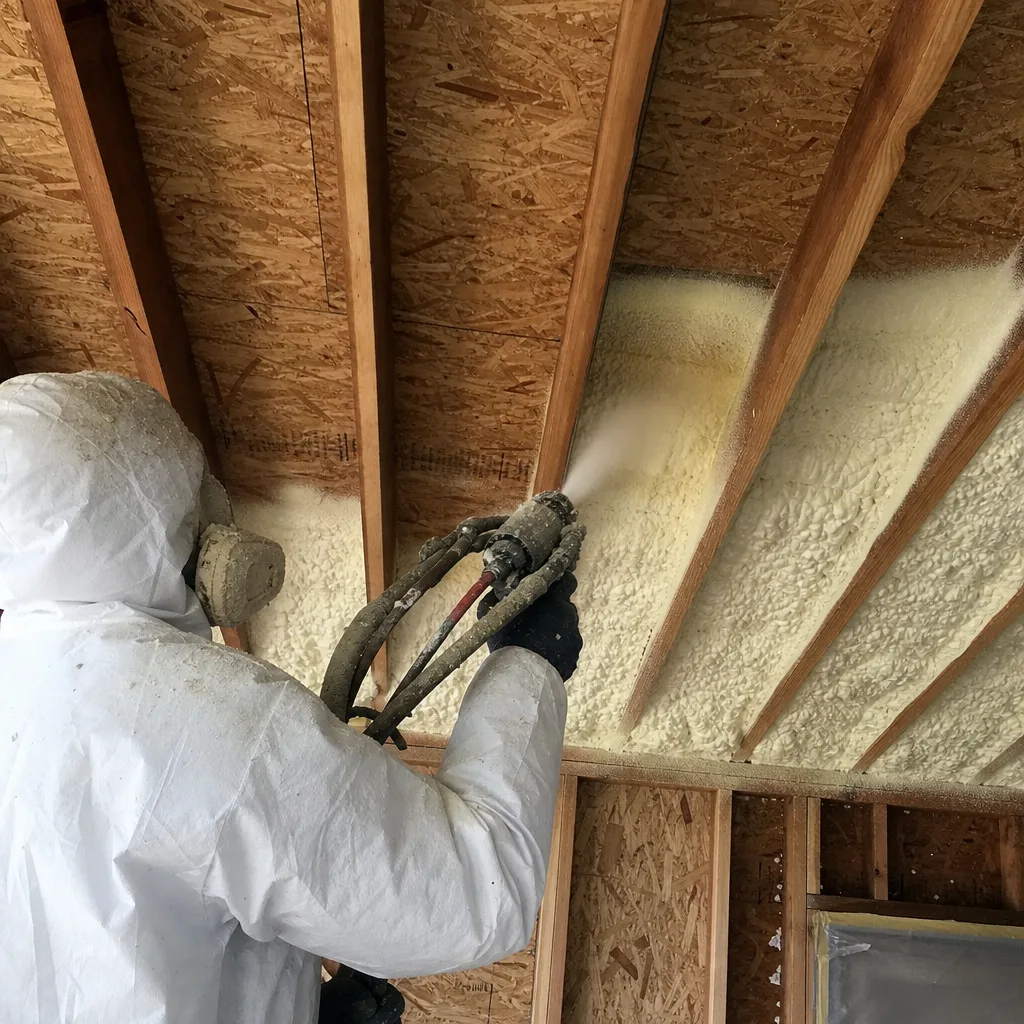
In Crestline’s older cabins we often find insulation so degraded it has settled to R-8 or worse. You can’t just blow new material over rodent-damaged batts. The right sequence is clean first, air-seal second, insulate third. We clean the attic cavity, seal penetrations, then install the new material whether that’s Rockwool batts, blown-in cellulose, or spray foam.
Ventilation and Baffle Prep
Attic cleaning in Crestline also gives us a chance to check baffle condition and eave ventilation. Mountain homes with deep snow at the roofline can develop ice dams if ventilation is blocked. We verify that soffit vents aren’t buried under old insulation, and we install or re-set baffles so airflow moves the way it should before new insulation goes in.
What happens when you call
- 1
A real person answersNo phone trees — you reach a local pro.
- 2
You get an upfront price rangeHonest numbers before anyone is dispatched.
- 3
A background-checked tech heads outLicensed & insured, dispatched right away.
- 4
You approve before work beginsNothing starts until you say go.
Trusted Brands We Service in Crestline
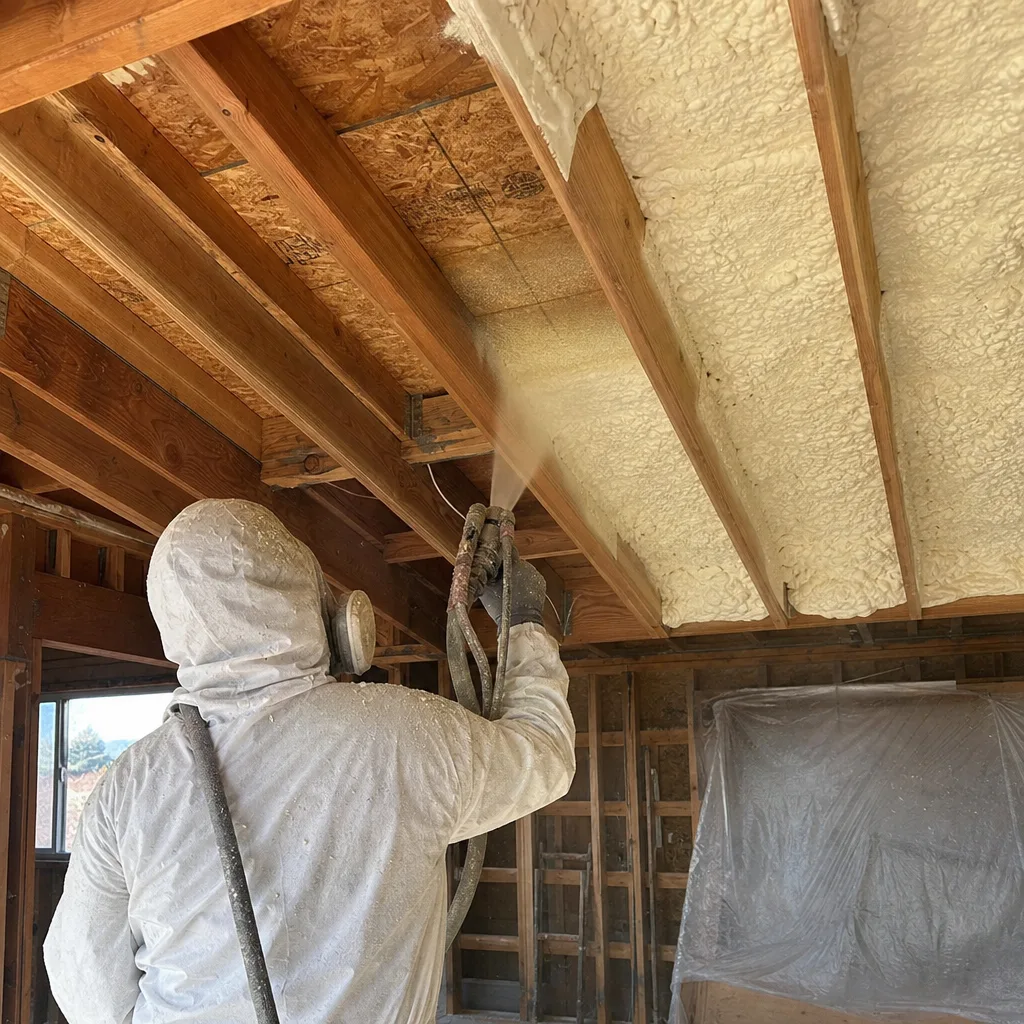
Riverstone Insulation installs attic insulation from eight nationally recognized brands, and for Crestline’s specific conditions we lean on a few that perform measurably better at elevation. Rockwool mineral wool is our default recommendation for homes where wildfire ember resistance and sound-dampening matter as much as R-value. Icynene and Demilec spray foam systems handle air-sealing and thermal control in one pass, which matters in drafty mountain cabins where air leakage drives most of the heat loss. CertainTeed fiberglass gives Crestline homeowners a proven, cost-effective batt option when budget is the deciding factor. We stock the materials your home needs, and we’ll explain why one brand beats another for your specific attic.
Common Attic Insulation Problems We See in Crestline Homes
- Thin or missing original insulation: Many Crestline cabins were built as summer getaways with R-11 fiberglass or nothing at all. At this elevation, that means the furnace runs constantly from November through March and heat pours through the roofline.
- Unsealed chases around chimneys and vents: Older mountain homes often have wide open gaps where the chimney and plumbing vents pass through the attic floor. These don’t just leak heat; they’re a direct pathway for wildfire embers.
- Compressed batts under storage or old roof repairs: Insulation only works when it holds its loft. In Crestline attics used for storage, or where roofing work compressed the material years ago, R-value drops dramatically.
- Knotty-pine and exposed-beam complications: Homes with visible pine ceilings can’t always be air-sealed from above the standard way. It takes careful detailing around beams and chases to get the attic tight without ruining the look homeowners love.
Pricing for Attic Insulation in Crestline, CA
Attic insulation pricing in Crestline depends on what we find after a quick inspection, but here are honest ranges for the work we do most. Attic insulation top-up in Crestline runs $1.50 to $3.50 per square foot when we’re adding material over existing insulation. Full attic insulation replacement; removal, air-sealing, and new material runs $3.00 to $6.50 per square foot. Spray foam attics run higher, typically $4.00 to $9.00 per square foot because the material and installation process are more involved. Radiant barrier runs $1,800 to $3,400. Attic cleaning runs $1,200 to $2,800. The biggest cost variable is attic accessibility; many Crestline attics have narrow access hatches and steep roof pitches that slow the work down. Call (866) 950-6425 and we’ll give you an exact number after walking your attic.
Key Takeaways for Crestline Homeowners
- Mountain winter performance is non-negotiable: At 4,600 feet, under-insulated attics mean high heating bills and cold floors from December through March.
- Wildfire ember protection is part of the job: Sealing chases and using fire-resistant materials like Rockwool matters in Crestline.
- Older cabins were rarely insulated to modern standards: Most A-frames and cabins built before 1990 need an attic retrofit, not just a top-up.
- We match material to your attic: Spray foam, batts, blown-in, radiant barrier; eight brands, one specialist.
- Free estimates: Call (866) 950-6425 and we’ll inspect your Crestline attic and give you a straight price.
We Also Serve Cities Near Crestline
Riverstone Insulation works throughout the San Bernardino Mountains and the valleys below. Beyond our Attic Insulation work across the region, we serve Attic Insulation in Crestline plus Lake Arrowhead, Highland, San Bernardino, and Muscoy. If you’re in a neighboring community and need the same mountain-aware insulation approach, call us at (866) 950-6425.
Serving Crestline, CA — Our Local Coverage Area
We’re based in the Crestline area and know this community well. Use the map below to see our service coverage — if you’re nearby, we can almost certainly help.
FAQs About Attic Insulation in Crestline
Crestline’s winter conditions push attic insulation requirements well above California valley standards. At 4,600 feet with regular snow and freeze-thaw cycles, we recommend attic insulation levels of R-49 to R-60, which is significantly more than what’s typical for San Bernardino or Highland homes. Deep snow at the roofline also means ventilation and air-sealing matter more than in flatlands; if warm attic air melts roof snow unevenly, ice dams form. Call (866) 950-6425 and we’ll assess what your specific attic needs for mountain-winter performance.
Yes, and we work on these Crestline homes regularly. Exposed beam ceilings and knotty-pine interiors require careful detailing around beam pockets and chases; you can’t just cut batts to fit and call it done. We typically use spray foam or carefully fitted Rockwool batts around exposed beams to get full coverage without compressing material or trapping moisture against the wood. The aesthetic stays intact. We addressed this exact condition on a 1960s A-frame off Lake Drive, and the homeowners stayed warm through the following winter with their pine ceilings exactly as they were.
The most effective approach is sealing every penetration; chimneys, vents, wiring chases, and gaps at the eaves; with fire-rated materials, then installing insulation that won’t ignite easily. Rockwool mineral wool is our standard recommendation for Crestline attics because it’s non-combustible and resists temperatures up to 2,150 degrees Fahrenheit. Pair that with ember-resistant vent screens and you’ve addressed the main entry points. Give us a call at (866) 950-6425 and we’ll walk your attic with you and point out exactly where embers could get in.
For a Crestline cabin with little to no existing insulation, the right choice usually depends on the attic structure and how you use the home. Spray foam from Icynene or Demilec gives you air-sealing and insulation in one pass, which suits irregular attics with lots of beams and chases. Rockwool or CertainTeed batts cost less upfront and are easier to remove or adjust later. In many Crestline cabins we actually recommend a hybrid: spray foam for the tricky air-seal areas, batts or blown-in for the main cavity. Call (866) 950-6425 for a free estimate and we’ll tell you which approach fits your cabin.
Attic cleaning removes the compressed, damp, or rodent-damaged material that’s killing your insulation performance right now. In Crestline’s older cabins, we often find batts that have settled to half their original thickness, which means you’re heating the roof and not the rooms below. Cleaning clears the cavity so new insulation can work at its rated R-value, and it lets us air-seal penetrations that were buried and invisible before. It’s the difference between a top-up that underperforms and a retrofit that actually cuts heating costs.
Written by Nate Dillard, Owner at Riverstone Insulation, serving Crestline and the San Bernardino Mountains with material-matched attic insulation solutions.