Insulation Company in Crestline, CA
Blown in insulation in Crestline solves a problem most city contractors never see: mountain homes built as summer cabins, now expected to hold heat through real snow winters at 4,600 feet. We work in attics with exposed beam ceilings, knotty pine walls, and original framing that was never designed for modern insulation. If your heating bill climbs every time the temperature drops and rooms still feel cold by morning, call Riverstone Insulation at (866) 950-6425. We’ll look at what’s actually in your walls and attic, then match the material to the structure.
Why Crestline Homes Are Different
Most Crestline houses were framed as weekend getaways, not year-round mountain residences. That history shows up in ways that matter for insulation: stud bays that don’t match modern spacing, attics where you can see daylight through the roof sheathing, and floor systems that let cold air pour up from unsealed crawlspaces. When winter snow sits on the roofline for weeks, an under-insulated attic turns that snow into an ice dam machine, and warm indoor air leaking upward melts the bottom layer just enough to refreeze at the eaves.
The summer side matters just as much. Crestline sits inside the San Bernardino National Forest, and wildfire ember intrusion is a legitimate concern for any attic with open vents or gaps in the eave line. A well-insulated and properly air-sealed attic does double duty here: it slows heat loss in January and reduces the paths embers can take in August. We treat both seasons as one problem, because in Crestline the same attic has to perform in snow and fire weather.
Older A-frames and cabins add another wrinkle. Exposed-beam ceilings look great but leave very little cavity depth for insulation, which means the solution often has to come from spray foam or dense-packed cellulose rather than standard batt sizing. We see this constantly: homeowners told by other contractors that their ceiling “can’t be insulated” because the framing doesn’t fit standard products. That’s usually a material-matching problem, not a structural one.
Our Main Crestline Services
Crestline homeowners call us most often about two things: attics that leak heat all winter and walls or rim joists that need the air-sealing and thermal performance only spray foam delivers. Here’s what each job looks like in a mountain home.
Attic Insulation in Crestline
Most Crestline attics we open have original fiberglass batts from decades ago, compressed flat by storage boxes and riddled with gaps around recessed lights, chimney chases, and plumbing penetrations. We remove or top up what’s there, seal the bypasses that let warm air escape into the attic, and install material matched to your roof pitch and venting setup. In an A-frame or exposed-beam ceiling, the approach changes: we work within the cavity depth that exists and use dense-packed or spray-applied materials where batt won’t fit. Attic Insulation in Crestline covers the full process, including what we find in cabins that have never been insulated to mountain-winter standards.
Spray Foam Insulation in Crestline
Spray foam earns its keep in Crestline on rim joists, crawlspace walls, and any ceiling where air movement is as much a problem as heat loss. Closed-cell foam adds structural rigidity to older mountain framing while acting as an air barrier, which matters when rooms feel drafty even with the heat running. We install both open-cell and closed-cell systems, choosing between them based on the cavity, the moisture profile, and whether fire-resistance is a priority. Spray Foam Insulation in Crestline explains when each type makes sense for mountain construction.
What happens when you call
- 1
A real person answersNo phone trees — you reach a local pro.
- 2
You get an upfront price rangeHonest numbers before anyone is dispatched.
- 3
A background-checked tech heads outLicensed & insured, dispatched right away.
- 4
You approve before work beginsNothing starts until you say go.
Blown In Insulation in Crestline
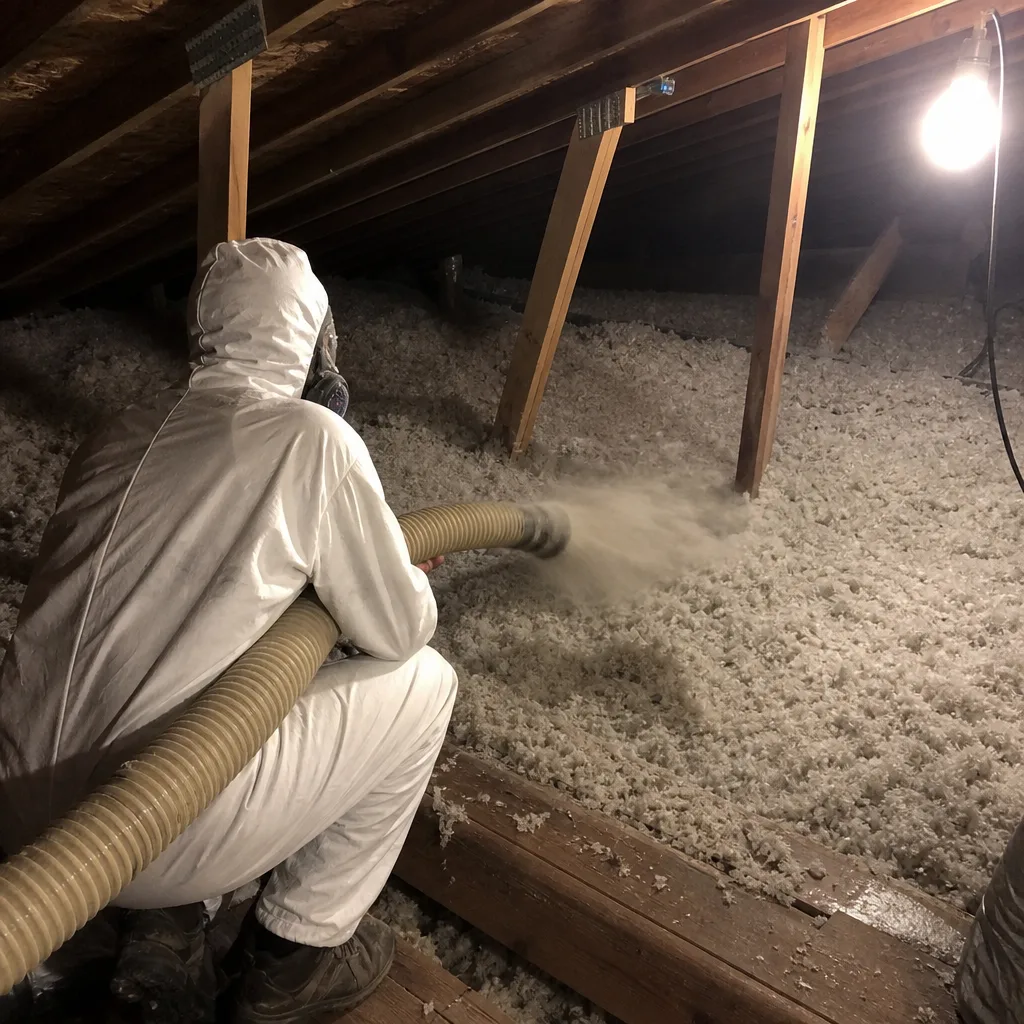
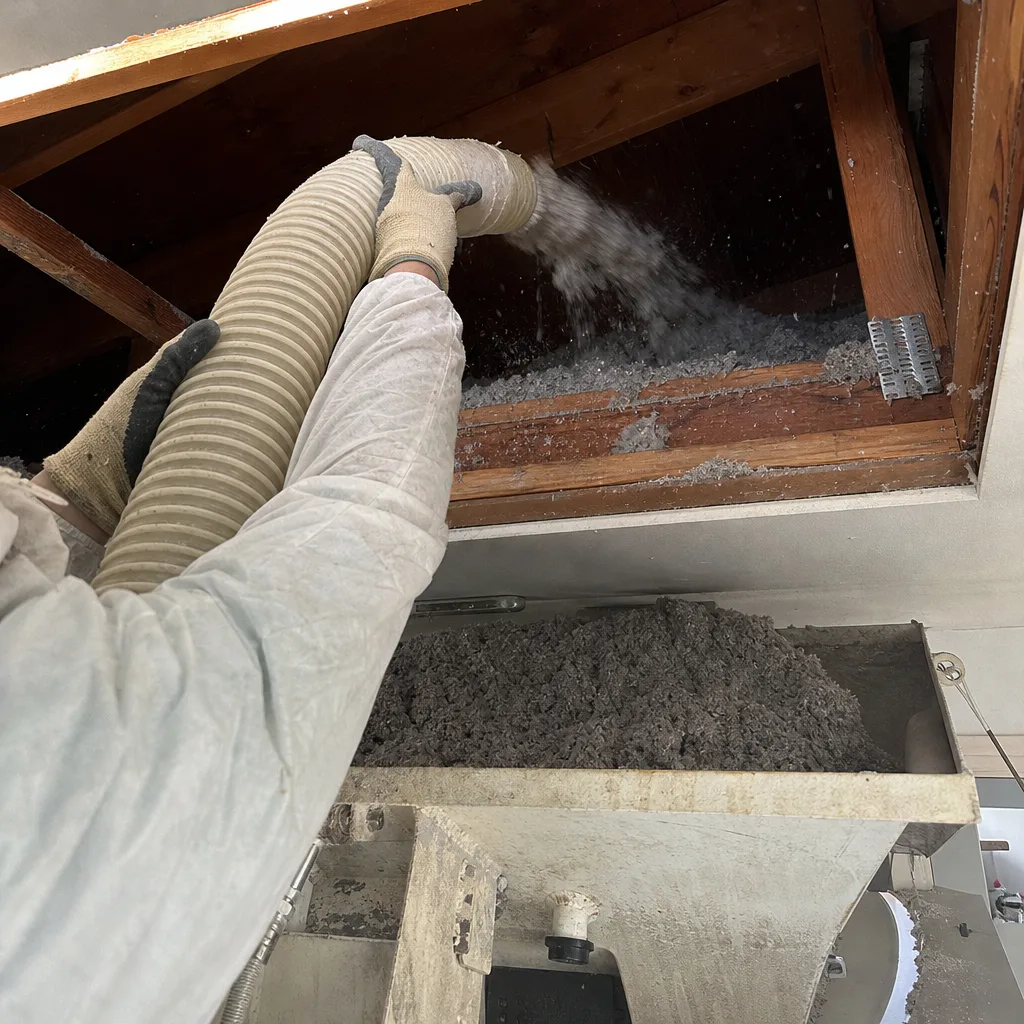
Blown in insulation is often the right answer for Crestline attics because it fills the irregular cavities found in older mountain framing, where standard batt sizes leave gaps and voids. We see attics in Crestline regularly that were built for summer use with thin or missing insulation, and blown-in material lets us get complete coverage over uneven joist spacing, around cross-bracing, and into the tight edges where heat loss is worst. The snow line here demands attic performance that most valley homes never need, which is why the material and the install depth matter more than people expect. As a specialist focused only on insulation, Riverstone Insulation installs blown-in fiberglass and cellulose from brands like CertainTeed and GreenFiber, and we match the material to your attic’s venting and your home’s risk profile. Learn more about our approach on the Blown In Insulation page.
Cellulose Insulation
Signs you need it
You want an eco-conscious option with strong air-blocking performance, or your existing attic insulation has settled and compacted well below the top of the joists.
What it costs in Crestline
Blown cellulose in a Crestline attic typically runs $1.80 to $3.10 per square foot installed, depending on target R-value and attic accessibility.
How we do it
We air-seal the attic floor bypasses first, then dense-pack or loose-fill the cellulose to the specified depth, checking coverage with depth markers across the full attic floor.
Blown In Attic Insulation
Signs you need it
Rooms directly under the attic stay cold in winter, snow melts unevenly on your roof, or you can see bare spots in the existing attic insulation from the hatch.
What it costs in Crestline
Blown-in attic insulation in Crestline generally falls between $1,800 and $3,400 for a typical 1,000 to 1,500 square foot attic, before any air-sealing work.
How we do it
We seal the attic bypasses, install or verify baffles at the eaves for ventilation, then blow the insulation to the R-value your home needs at this elevation, leaving the full attic depth uniform.
Loose Fill Insulation
Signs you need it
Your attic has irregular joist spacing, shallow cavities, or lots of obstructions that make batt installation unreliable and prone to gaps.
What it costs in Crestline
Loose fill installation in Crestline attics typically runs $1.50 to $2.80 per square foot, with the final number depending on depth and whether old material needs removal first.
How we do it
We run a hose into the attic and blow the loose fill material into every cavity, working around framing and vents to build a continuous thermal layer without voids or thin spots.
What Blown In Insulation Costs in Crestline
| Item | Typical range in Crestline |
|---|---|
| Cellulose insulation, per square foot installed | $1.80 – $3.10 |
| Blown-in attic insulation, full 1,000 – 1,500 sq ft attic | $1,800 – $3,400 |
| Loose fill insulation, per square foot installed | $1.50 – $2.80 |
Costs in Crestline move with attic accessibility, the condition of existing insulation, and whether air-sealing is needed before we blow. An exposed-beam ceiling or a very low-slope roof can push the labor side up simply because the crew works in tighter conditions. Call (866) 950-6425 for a free estimate and we’ll give you a direct number to plan around.
Is blown-in insulation better than batts for older Crestline cabins?
In most older cabins, yes. Blown-in material fills the irregular framing and gaps that are common in mountain construction, which batts simply can’t do. It also gives you a continuous thermal layer over the whole attic floor, without the seams that let heat escape.
How deep should blown-in insulation be in a Crestline attic?
At 4,600 feet, most Crestline attics should reach at least R-38 to R-49, which means roughly 13 to 17 inches of blown fiberglass or 11 to 14 inches of cellulose. We check your current depth and top up to the target your attic needs for real mountain winters.
Brands We Service in Crestline
We install products from eight nationally recognized brands, including Rockwool mineral wool, CertainTeed fiberglass, and Icynene and Demilec spray foam systems. Having access to the full range means we recommend what performs best in your specific Crestline home, not what’s easiest for us to stock. Visit our brands page for the full list.
Pricing for Insulation Company in Crestline, CA
| Service | Typical range in Crestline |
|---|---|
| Blown cellulose insulation, per square foot installed | $1.80 – $3.10 |
| Blown-in attic insulation, full 1,000 – 1,500 sq ft attic | $1,800 – $3,400 |
| Loose fill insulation, per square foot installed | $1.50 – $2.80 |
| Attic air sealing before insulation, per project | $450 – $1,200 |
| Spray foam rim joist insulation, per linear foot | $12 – $22 |
| Closed-cell spray foam, per board foot | $1.10 – $2.20 |
| Open-cell spray foam, per board foot | $0.45 – $1.10 |
| Batt insulation installation, per square foot | $0.80 – $1.60 |
| Whole-home insulation for a 1,500 sq ft Crestline home | $4,500 – $9,500 |
Prices in Crestline tend to run higher than valley rates because of the drive time, winter access, and the older construction we’re usually working in. The final number depends on what’s already in your attic, how much air-sealing is required, and the depth your home needs at this elevation. We give you a written, upfront price before any work begins, so you know exactly what you’re paying.
Neighborhoods We Serve in Crestline
We work throughout the 92325 ZIP code and the surrounding mountain communities, including homes near Lake Gregory, the downtown Crestline area, and the residential streets running up toward the forest line. Our crews are familiar with the older cabin stock and the steep driveways that define the area.
- Lake Gregory area
- Valley of Enchantment
- Cedar Pines Park
- Skyland
- Top Town
Typical response time for a Crestline estimate is within a few business days, and we schedule installations around winter weather so your insulation goes in before the heaviest cold sets in.
Service Area – Cities Near Crestline
Riverstone Insulation serves Crestline and the surrounding mountain and valley communities. We also work in Lake Arrowhead, CA, Muscoy, CA, San Bernardino, CA, and Highland, CA. If you’re in one of these nearby areas and need an insulation specialist who understands mountain construction, call us at (866) 950-6425.
Serving Crestline, CA — Our Local Coverage Area
We’re based in the Crestline area and know this community well. Use the map below to see our service coverage — if you’re nearby, we can almost certainly help.
FAQs About Insulation Company in Crestline
Our team schedules Crestline estimates within a few business days of your call. Mountain weather can occasionally push scheduling, but we prioritize insulation work before the cold season so your home is ready for winter. Call (866) 950-6425 to set up a time.
Most insulation work in Crestline doesn’t require a permit, but if your project involves structural changes or your neighborhood has specific HOA rules, we’ll work with you to address those requirements. We know the common Crestline HOA expectations and can help you prepare the right documentation.
Yes, those are exactly the homes we see most often in Crestline. Older cabins and A-frames need a different approach than standard construction, and our experience with exposed-beam ceilings, knotty-pine interiors, and irregular framing means we can recommend the right material for your specific structure. Call (866) 950-6425 to talk through what your home needs.
What happens when you call
- 1A real person answersNo phone trees — talk to a local insulation pro.
- 2You get an upfront price rangeHonest numbers before anyone is dispatched. No surprises.
- 3A background-checked tech heads outLicensed & insured, typically within 1-hour.
- 4You approve before work beginsNothing starts until you say go.
What Crestline Customers Say
"Plastic laid from the front door to the attic hatch and they vacuumed the hallway afterward."
— Todd Ziegler"Spray foam in the rim joists in the basement. The cold floors above them are gone."
— Angela Tran"Attic was at maybe R-11 from the 1970s and blown in over the top would have just buried the problem. They removed the old material, air sealed the top plates and penetrations first, then blew in to R-49. The upstairs is a completely different house in August."
— Jason Norris